
01
The mountain
Approach one of the Karakoram’s defining high-altitude objectives.
A fully supported climb of the world’s twelfth-highest mountain from the Baltoro Glacier, with local logistics from Islamabad to Broad Peak Base Camp.
Maximum altitude
8,047 m
Expedition length
50 days
Difficulty
Extreme / High altitude
Best season
June to August
Team format
Small expedition team
Region
Central Karakoram, Gilgit-Baltistan
The objective
Broad Peak Expedition is designed for climbers who want dependable, Pakistan-based support from arrival through the mountain phase. The plan covers government liaison, domestic logistics, approach arrangements and a staffed base camp.
Every departure is adjusted for team experience, current mountain conditions and the chosen service level. A final written proposal confirms dates, inclusions, high-altitude support and pricing before any commitment.
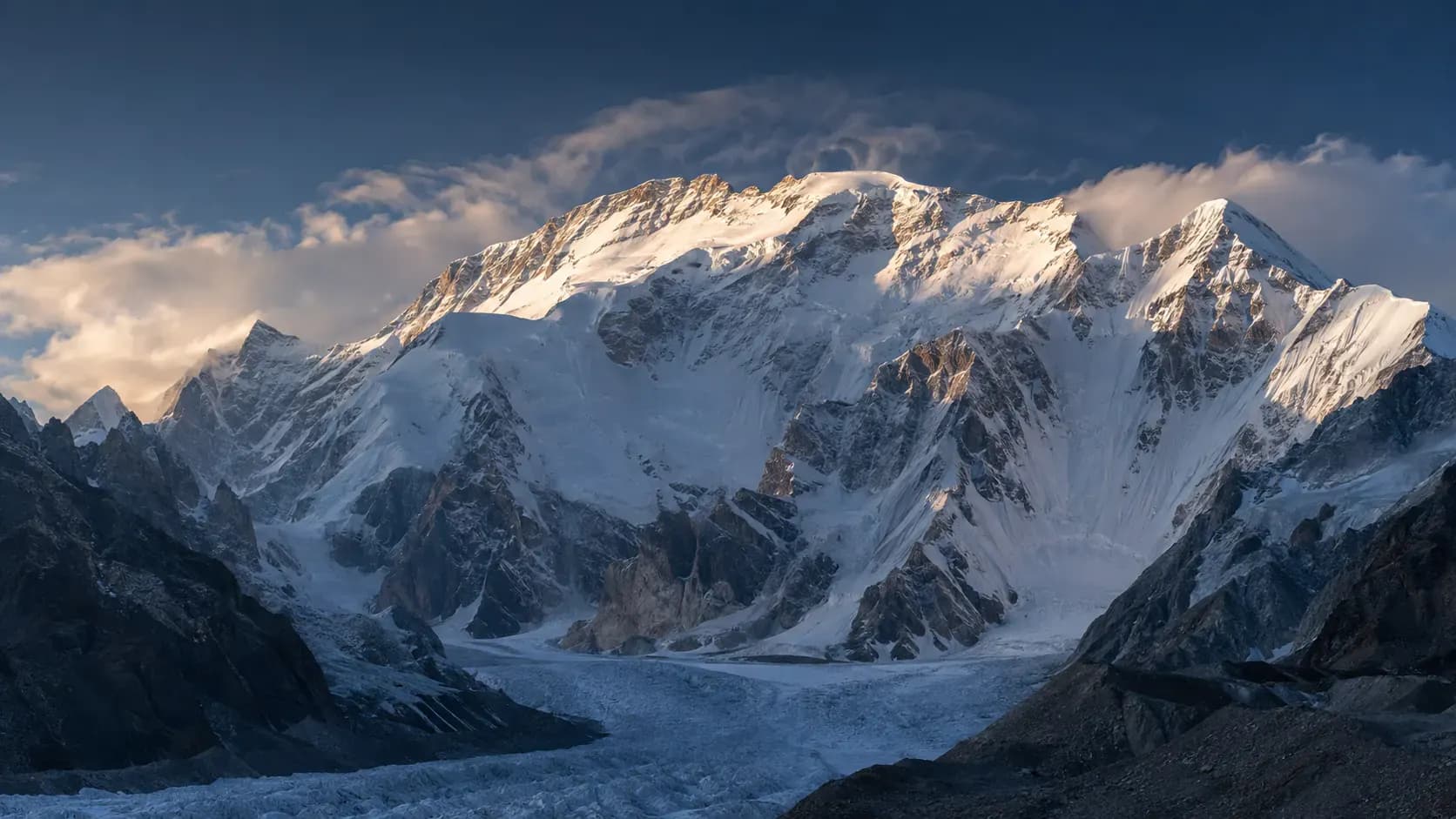
Broad Peak rises above Concordia in Pakistan's central Karakoram, close to K2 and the Gasherbrum group. Its local name, Falchan Kangri, refers to the mountain's exceptionally broad summit ridge. Although sometimes described as one of the more accessible 8,000-metre peaks, it remains a serious objective with crevasses, steep snow and ice, avalanche exposure and an exacting summit day.
The first ascent was completed on 9 June 1957 by Fritz Wintersteller, Marcus Schmuck, Kurt Diemberger and Hermann Buhl. The normal line reaches the col between the fore-summit and main summit before continuing along the long summit ridge. Reaching the true summit requires sound judgment and enough reserve for a safe descent.
This is a major high-altitude objective for experienced climbers with appropriate altitude exposure, strong rope skills, excellent fitness and conservative mountain judgment.
Day-by-day flow
This detailed plan remains flexible. Weather, road access, domestic flights, acclimatization and route conditions can alter the exact schedule.
Day 1
Airport reception, hotel transfer, team introduction and recovery after international travel.
Day 2
Permit formalities, equipment review, safety briefing and time for final purchases in Islamabad.
Day 3
Weather permitting, fly across the Himalaya and Karakoram to Skardu at approximately 2,230 metres. If the flight is cancelled, travel overland via the Karakoram Highway.
Day 4
Complete expedition shopping, organize porter loads and optionally explore Kharpocho Fort, the bazaar or nearby sights.
Day 5
Follow the Indus, Shigar and Braldu river valleys to Askole, the final village before the Karakoram wilderness.
Days 6–7
Begin the supported approach trek through the Braldu Gorge, passing Korofon and continuing to the important acclimatization camp at Paiju.
Day 8
Rest, hydrate and prepare for the Baltoro Glacier while the porter team organizes supplies.
Days 9–11
Trek via Khoburtse, Urdukas and Goro II to Concordia, with expanding views of Trango Towers, Masherbrum, Gasherbrum and K2.
Day 12
Continue from Concordia beneath Broad Peak to establish base camp at approximately 5,000 metres.
Days 13–40
Carry out rotations, establish higher camps, fix or use agreed route infrastructure, rest at base camp and attempt the summit during a suitable weather window.
Day 41
Recover equipment, close camp responsibly and prepare porter loads for the return journey.
Days 42–45
Retrace the Baltoro route through Concordia, Goro II, Urdukas and Paiju before reaching Askole.
Days 46–47
Return by jeep to Skardu, with time for rest, equipment sorting and schedule contingencies.
Days 48–50
Fly or travel overland to Islamabad, complete the expedition debrief and transfer to the airport.
Beyond the summit
Approach one of the Karakoram’s defining high-altitude objectives.
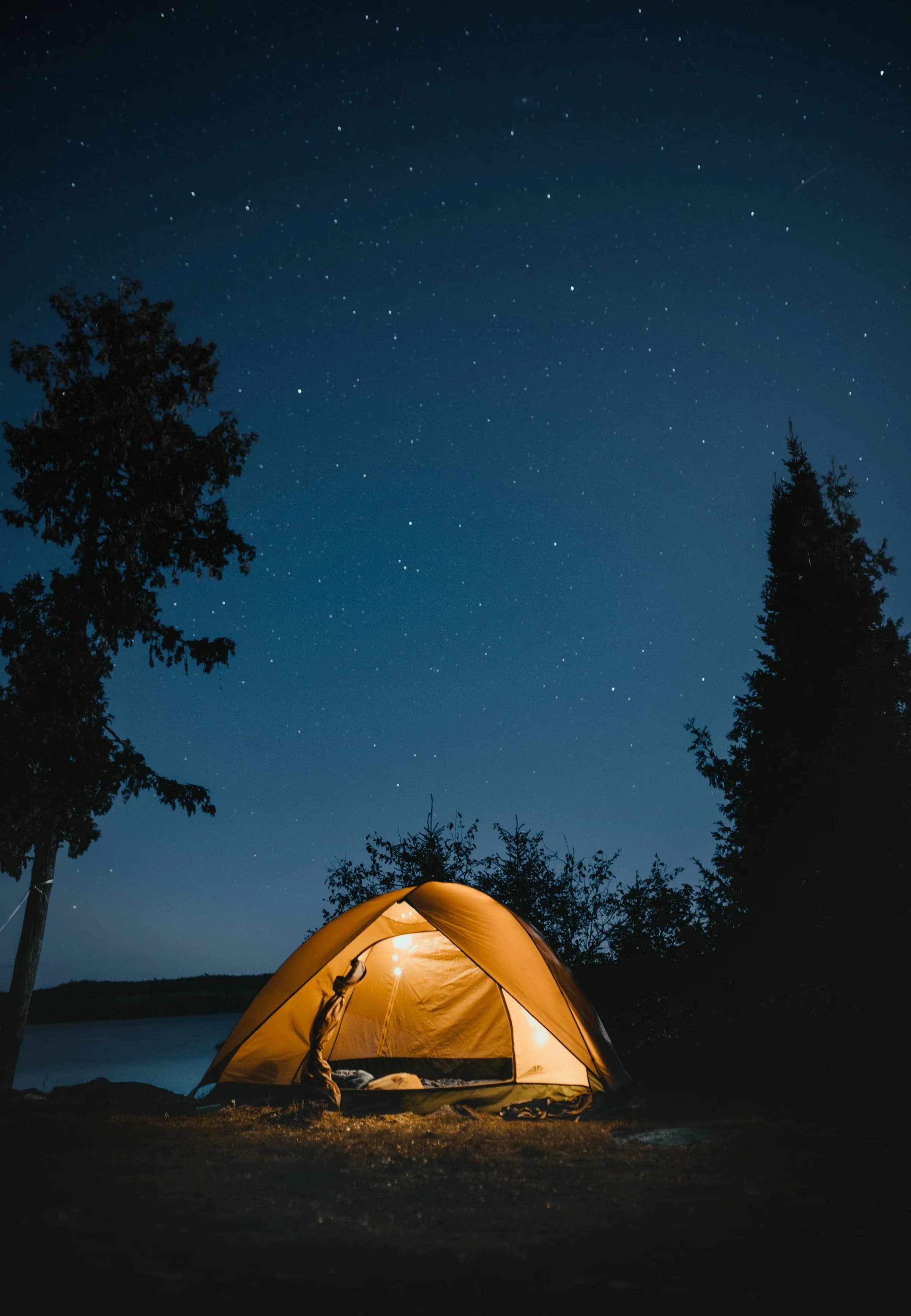
Acclimatize and recover within a professionally supported camp.

Prepare for glacier terrain, changing conditions and serious altitude.
End-to-end logistics from arrival through the climbing period, with staffed base camp and agreed high-altitude support tailored to your team.
Permits, approach logistics and staffed base camp for independent climbers managing their own equipment and climbing above base camp.
What is covered
Final inclusions depend on the service level documented in your written expedition proposal.
Before you apply
Common questions
No. A summit attempt depends on weather, route safety, health, acclimatization and individual performance. Safety decisions remain with the expedition leader.
We can prepare full-board and base-camp-only proposals. High-altitude porters, oxygen and private arrangements can be added when appropriate.
Yes. Mountain expeditions require flexibility for road access, domestic flights, permits, weather, acclimatization and conditions on the route.
Please include your mountaineering résumé, highest altitude reached, technical experience, preferred dates, group size and required support level.
Traveler reviews
Read feedback from previous travelers or share your own expedition experience.
Your email is used for review administration and is never displayed publicly.