
01
The mountain
Approach one of the Karakoram’s defining high-altitude objectives.
Climb Nanga Parbat in Pakistan on a supported Diamir Face expedition, including permits, overland access, base camp logistics and a flexible summit window.
Maximum altitude
8,126 m
Expedition length
43 days
Difficulty
Extreme / High altitude
Best season
June to August
Team format
Small expedition team
Region
Western Himalaya, Gilgit-Baltistan
The objective
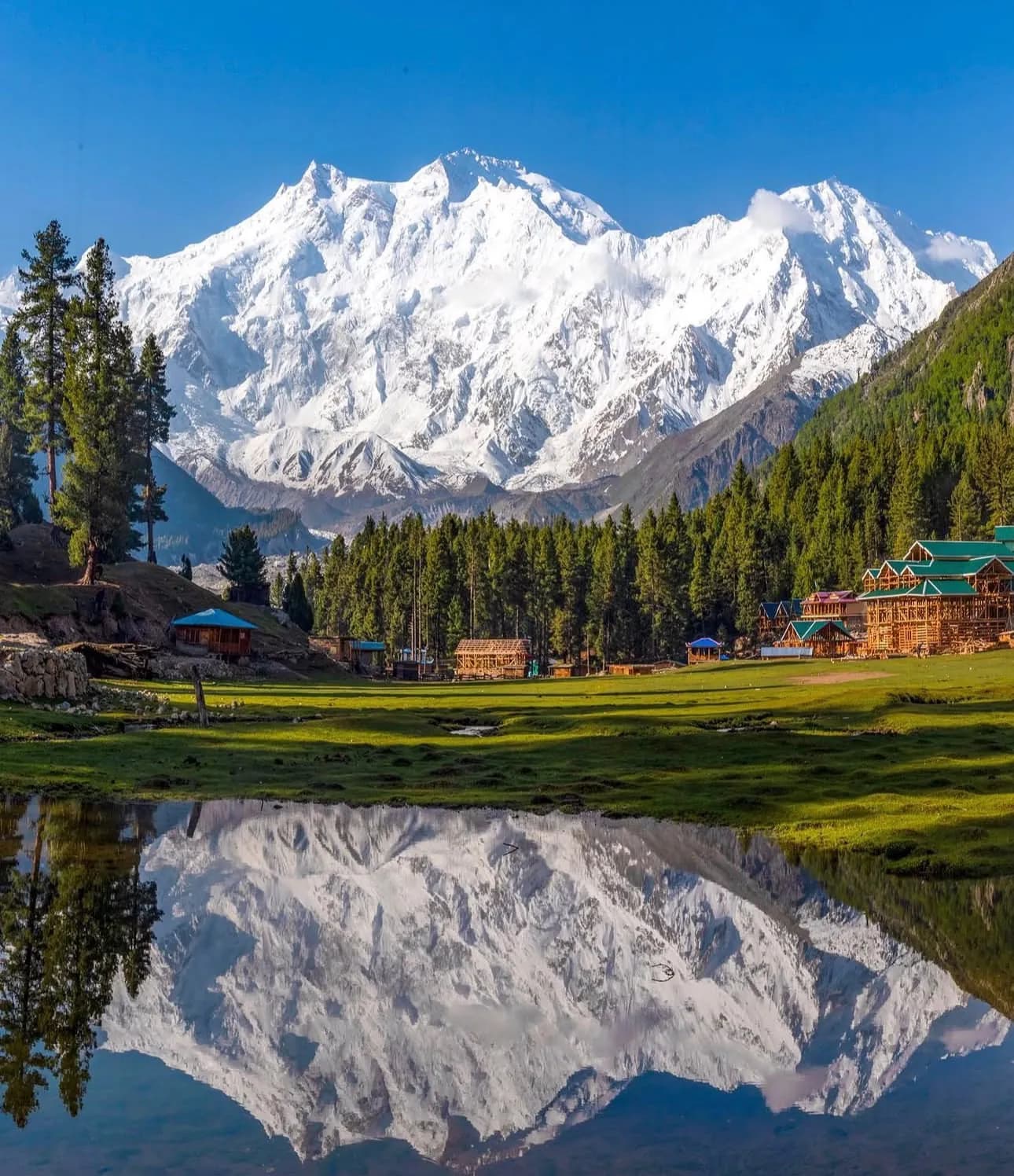
Nanga Parbat rises to 8,126 metres in Pakistan’s western Himalaya and is the world’s ninth-highest mountain. Its immense relief above the Indus Valley and long history of difficult expeditions have made it one of the most respected high-altitude objectives in Asia.
This Nanga Parbat expedition approaches the Diamir Face from Chilas through Halala Bridge, Zangot and Kutgali. Base camp is established at approximately 4,000 metres, providing access to the mountain while allowing a long, flexible acclimatization and summit period.
The Diamir side presents complex glacial terrain, objective hazards, steep mixed ground and rapidly changing weather. Applicants need substantial high-altitude experience, reliable fixed-rope technique and the physical and mental reserves required for a serious 8,000-metre expedition.
This is a major high-altitude objective for experienced climbers with appropriate altitude exposure, strong rope skills, excellent fitness and conservative mountain judgment.
Day-by-day flow
This detailed plan remains flexible. Weather, road access, domestic flights, acclimatization and route conditions can alter the exact schedule.
Day 1
Airport reception, hotel transfer and recovery after international travel at approximately 540 metres.
Day 2
Complete expedition documentation, attend the official briefing and make final equipment checks.
Day 3
Travel north from Islamabad on the Karakoram Highway through the Indus valley to Chilas at approximately 1,265 metres.
Day 4
Continue toward the Diamir Valley trailhead, cross near Halala Bridge and walk to the expedition camp at Zangot around 2,600 metres.
Day 5
Gain altitude steadily through the Diamir Valley and camp at Kutgali at approximately 3,100 metres.
Day 6
Trek from Kutgali to establish base camp below the Diamir Face at approximately 4,000 metres.
Days 7–38
Establish camps, acclimatize and attempt the summit during the best available weather window.
Day 39
Close base camp responsibly and retrace the approach trail down the Diamir Valley to Kutgali.
Day 40
Continue the descent through Zangot toward Halala Bridge and the vehicle meeting point.
Day 41
Travel south along the Karakoram Highway, with appropriate rest stops, and return to the hotel in Islamabad.
Day 42
Complete official debriefing formalities and keep contingency time for transport or expedition delays.
Day 43
Transfer to Islamabad International Airport for the flight home.
Beyond the summit
Approach one of the Karakoram’s defining high-altitude objectives.
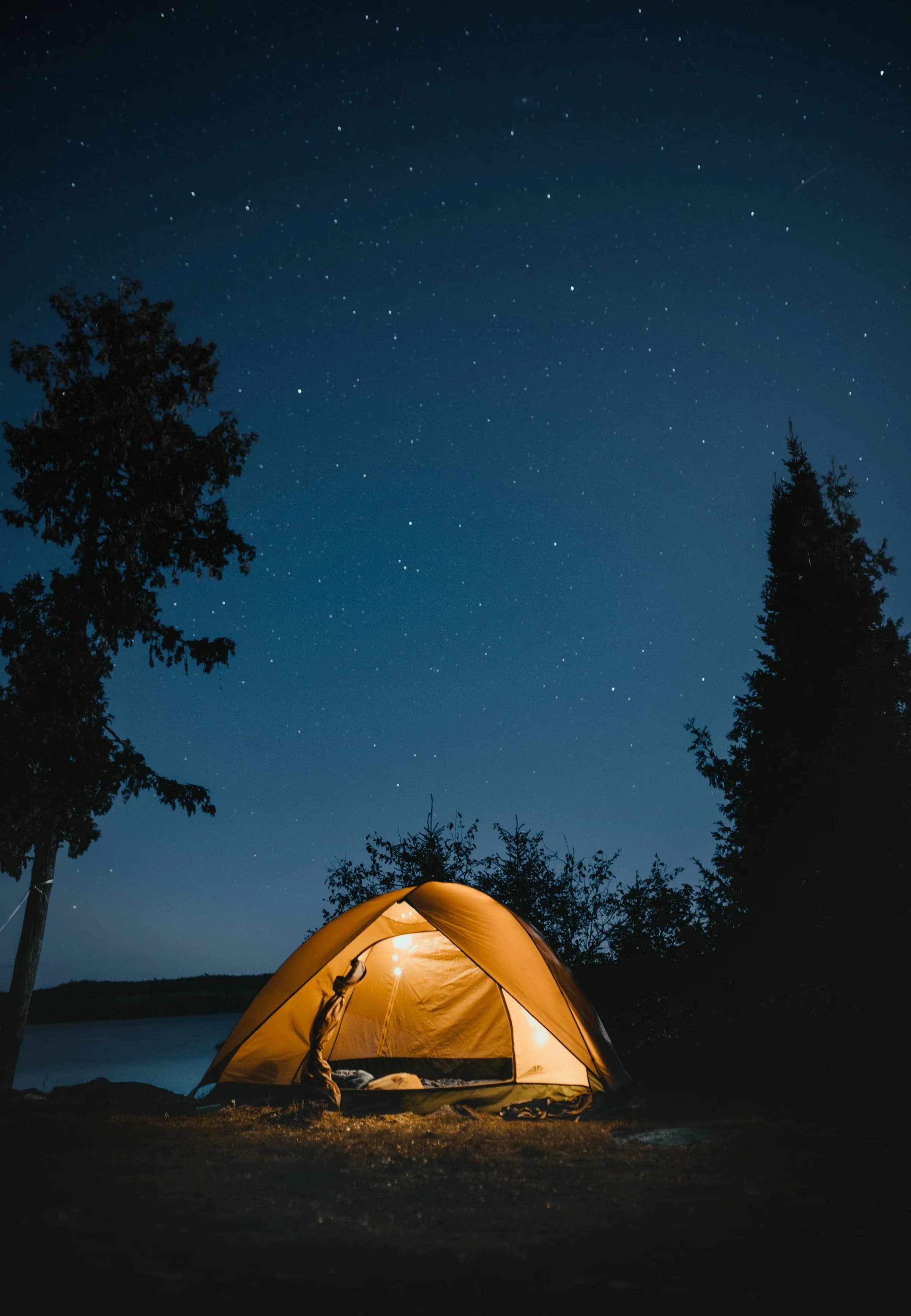
Acclimatize and recover within a professionally supported camp.

Prepare for glacier terrain, changing conditions and serious altitude.
End-to-end logistics from arrival through the climbing period, with staffed base camp and agreed high-altitude support tailored to your team.
Permits, approach logistics and staffed base camp for independent climbers managing their own equipment and climbing above base camp.
What is covered
Final inclusions depend on the service level documented in your written expedition proposal.
Before you apply
Common questions
This program approaches the Diamir Face through Chilas, Halala Bridge, Zangot and Kutgali before establishing base camp at approximately 4,000 metres.
The planned schedule is 43 days, including the Diamir Valley approach, a four-week climbing and contingency period, the return journey and official debriefing.
Applicants need extensive high-altitude and technical mountaineering experience, reliable fixed-rope skills, excellent endurance and insurance suitable for an 8,126-metre objective.
They can be arranged as part of a tailored full-board proposal. Quantities, porter ratios, equipment, costs and responsibilities must be confirmed before the expedition.
Traveler reviews
Read feedback from previous travelers or share your own expedition experience.
Your email is used for review administration and is never displayed publicly.